
As winter settles in, the debate over home heating temperatures reignites, and I find myself reflecting on the old 68°F rule. You know, the one that’s been the gold standard for decades? This temperature was once considered optimal for comfort and energy efficiency, but times have changed. Having spoken with HVAC professionals and conducted my own little experiment in heating, I’ve discovered that this outdated advice might not serve us well anymore. Buckle up, because I’ll share what I’ve learned about why it’s time to rethink our thermostat settings—especially as we dive into the chilly months of January and February.
Highlights
- 🔥 The old 68°F rule is outdated; experts suggest a range of 68-70°F.
- 💡 Modern insulation and heating technologies allow for higher, yet still efficient, temperatures.
- 🌿 Warmer homes contribute to better health and reduced energy usage.
- 📉 My own experience shows minimal impact on energy bills even when increasing home temperature.
The origins of the 68°F guideline trace back to the energy crisis of the 1970s, when conserving energy was all the rage. But in 2026, comfort and health considerations are drawing a new line in the sand—or perhaps more aptly, a new thermostat setting. So let’s dive into the nitty-gritty of why you should reconsider what’s on your thermostat.
Why the Old Heating Rule No Longer Applies
It’s essential to acknowledge how much home heating technology has progressed. Back in the day, homes had poor insulation, single-pane windows, and drafts galore. Keeping the thermostat set at 66°F may have conserved energy, but it also left many people shivering and susceptible to a host of illnesses. Fast forward to today, where advancements in insulation mean that maintaining a home temperature closer to 70°F doesn’t equate to skyrocketing bills.
During my own inquiry, I engaged with HVAC expert Josh Mitchell, who bluntly stated, “That old 68°F guideline has become obsolete. Modern building materials and improved heating systems allow us to maintain a comfortable home environment without breaking the bank.”
My Home Heating Experiment
Curious about the real-world implications, I took the plunge and adjusted our thermostat from a chilly 66°F to a cozy 70°F for January. I can’t tell you how liberating it felt to toss off my blankets and walk around comfortably in my home. Surprisingly, no noticeable jump occurred in our energy bill—about $240 monthly remained steady. I must emphasize: effective insulation is a game-changer.
Some experts argue that for every degree you raise your thermostat, you’ll see a 2-3% increase in energy costs. However, when well-insulated, those costs essentially flatten out as your heating system can operate more efficiently. Plus, observing minimal condensation on our windows made me feel like I had cracked the code to winter comfort.
The Health Effects of Warmer Homes
Interestingly, a number of studies, including the Cold Homes Public Health Review from the UK, highlight a link between lower indoor temp settings and increased respiratory issues, particularly affecting vulnerable groups. Feeling the chill can compromise the little hair-like structures in our respiratory system. I noticed that my chronic illnesses seemed easier to manage as I maintained a warm and inviting environment.
Josh echoed these findings: “Keeping your home at temperatures around 68-70°F not only maintains comfort but also significantly reduces the risk of illness. It creates a more hospitable environment for everyone, particularly the elderly and children.”
Practical Heating Tips for Winter
Thinking of making the switch? Here are some practical tips that can guide you on your home heating journey:
- ✨ Seal leaks: Invest in weather stripping to effectively seal your doors and windows.
- 🔍 Assess insulation: Ensure your walls and roofs are equipped with modern insulation materials.
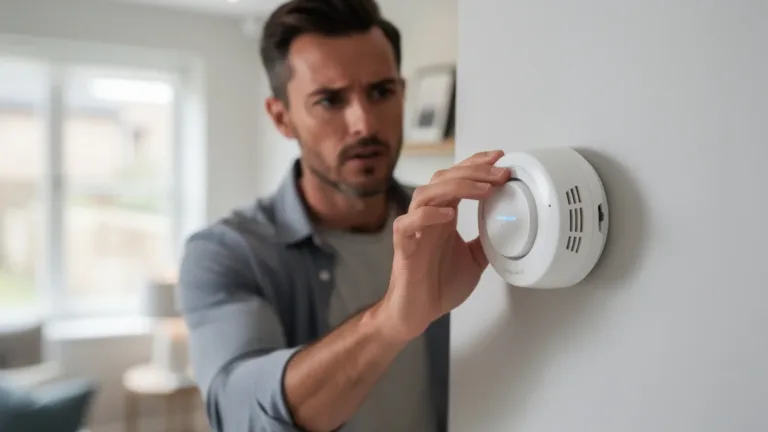
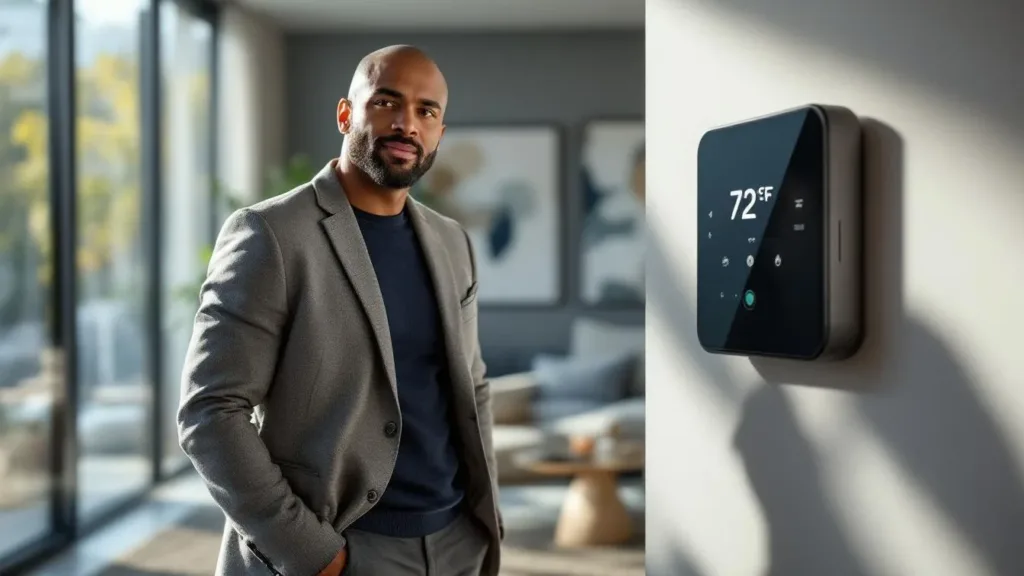
- 🌡️ Utilize smart thermostats: Consider programmable thermostats for adjustable settings throughout the day.
- 🪴 Humidify wisely: Use a humidifier to manage indoor humidity, ideally at 30-50%.
The Bottom Line
The “old heating rule” is, quite frankly, outdated advice that needs to be retired. With all the advancements in home heating and insulation in 2026, setting your thermostat to range between 68°-70°F not only benefits your wallet but also promotes better health for your family. I’ve experienced this firsthand, and it’s made all the difference this winter. Whether you’re dealing with chronic illness, a family of school kids, or simply want to enjoy your living environment, I encourage you to explore what it feels like to turn that thermostat up just a notch. It might just change your winter experience for the better.
So, will you join the revolution against the outdated heating rule? I’ve taken the leap, and it’s been a journey worth sharing. Look forward to checking back for more insights into how we can enhance our comfort and refine our home lifestyles in the coming months!