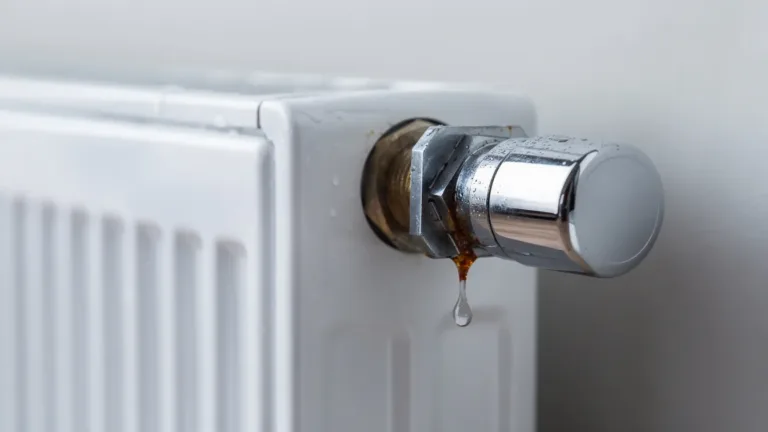
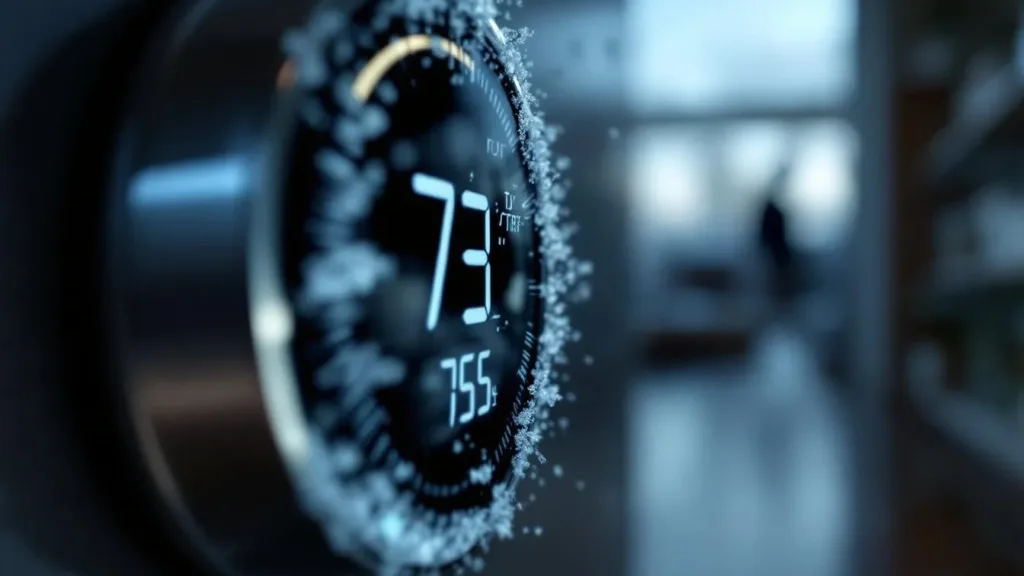

It’s January, and as I wrap myself in a thick blanket, I’m struck by a harsh reality: even with the heat cranked up, I’m still frigid. In fact, I can almost hear the heater working overtime, yet my body feels like it’s stuck in winter. Sound familiar? For many of us, this pervasive cold sensation isn’t just about layers of clothing or the draft from a window; it’s deeper, often tied to our unique physiology and health issues.
Highlights
- 🌡 Hypothyroidism may be distorting your body’s metabolism.
- 💉 Anemia could limit your oxygen levels.
- 🦶 Raynaud’s Syndrome might be affecting your limbs.
- 🗳 Lifestyle factors can enhance cold sensitivity.
Did you know that women are generally more prone to feeling cold than men? Factors like body size and hormone levels play a significant role!
The Underlying Causes of Your Cold Sensation
So why does it feel like winter inside when the thermostat says something different? One common culprit is hypothyroidism. This condition means your thyroid isn’t producing enough hormones to help regulate your metabolism. The result? Your body struggles with thermoregulation, leaving you colder than others in a room that, frankly, should feel pleasant.
I’ve been there. After I started feeling perpetually cold despite wearing warm clothes, a quick trip to the doctor revealed low thyroid levels. After symptoms subsided following treatment, the warmth returned, but I was left wondering how many others endure this same isolation in their chilly bubble.
The Role of Anemia in Cold Sensitivity
If you’re still feeling cold, let’s delve deeper. Anemia is another significant factor that could contribute to that sluggish blood circulation and persistent chill. When your body lacks enough red blood cells to transport oxygen efficiently, you may experience a dramatic drop in your core temperature.
Here’s the kicker: many people don’t even realize they’re anemic until they see the doctor. After a long day of feeling tired and cold, I discovered I had a mild iron deficiency. My doctor suggested incorporating iron-rich foods into my diet, and it made a world of difference. Gone are the days of wearing three sweaters just to feel moderately warm!
How Hormones Impact Your Thermal Comfort
We can’t overlook hormonal changes either. Fluctuating estrogen levels can leave many women feeling colder, especially during specific times of their cycle or as they approach menopause. Hot flashes that go into overdrive can cause discomfort, but they’re often followed by a sharp drop in body temperature that can make you feel downright frozen.
Being a woman, I often related hormone swings with warmth and comfort, but little did I know that those months leading up to menopause could change my relationship with heat. Cycling through challenges related to hormone balance was an eye-opener. The stark reality hit me that our bodies aren’t just about metabolic rates; they’re complex ecosystems influenced by so much more.
Lifestyle Factors That Contribute to Cold Sensitivity
Lest we forget, lifestyle plays a huge part too. Factors like dehydration or inadequate calorie intake can mess with your metabolism and core body temperature. When I started counting calories and meal prepping, I noticed that skipping meals often landed me in a chilly state. Without the fuel to burn, my body couldn’t generate enough warmth. Lesson learned: skipping breakfast for a “healthier” lifestyle might not always mean comfort!
Additionally, sleep deprivation can result in a drop in heat inefficiency. Without adequate rest, my once robust body temperature balance feels like it’s gone haywire. Who knew? Now, I pay close attention to sleep hygiene, prioritizing rest to better support overall well-being.
Managing Cold Intolerance
Feeling cold doesn’t have to be a permanent state. Making a few lifestyle tweaks can help reintegrate warmth into your life. Here are some practical tips:
- 🥚 Eat enough calories daily to fuel your metabolism.
- 🧦 Wear thick, warm socks at home.
- 🧥 Layer your clothing effectively based on the season.
- 🪟 Insulate your windows to reduce drafts.
- ☕ Sip on warm liquids like herbal tea.
What To Do When Cold Sensitivity Becomes Too Much
Knowing the basic causes behind persistent cold can ward off a long-term issue. If you ever find that persistent cold sensitivity disrupts your quality of life, it might be time for a chat with your healthcare provider. They can help rule out medical conditions and offer tailored advice.
Taking ownership of our health isn’t just about enduring discomfort but actively seeking solutions that work for us as individuals.