

Feeling the chill in one room while another feels like a sauna? You’re not alone. Many of us face the frustration of inconsistent temperatures in our homes, especially during the colder months of January and February. But what if I told you that improving your home’s airflow could enhance comfort significantly—without even needing to touch your heating system? This isn’t just a whimsical notion; it’s grounded in solid expert advice and practical strategies that you can implement today.
Highlights
- 🔑 Understanding Airflow: Proper air circulation directly impacts comfort and energy efficiency.
- 🏠 Signs of Poor Airflow: Uneven temperatures, whistling vents, and weak airflow are common indicators.
- ⚙️ Optimization Tips: Simple modifications like cleaning vents and sealing ducts can improve overall comfort.
- 🔧 Professional Help: Know when to call in the experts for persistent issues.
Understanding Airflow and Its Importance
Airflow isn’t just a buzzword; it’s the lifeblood of your home’s comfort. Picture this: it’s a chilly January evening, and you’re bundled up in a thick blanket. You’ve set your thermostat between 68°F and 72°F, but that one room just won’t warm up. Why? The answer lies in air circulation and how efficiently your home’s ventilation system moves air.
Research suggests that poor airflow leads to stagnant air, making your space feel uncomfortable and prompting your heating system to work overtime. Studies have shown that when your heating system struggles to deliver consistent heat, your energy bills soar. In fact, nearly 30% of your system’s efficiency can drop due to obstructions in airflow.
Signs of Poor Airflow in Your Home
Let’s face it: the signs of poor airflow are often pretty blatant. Here are some common indicators you shouldn’t ignore:
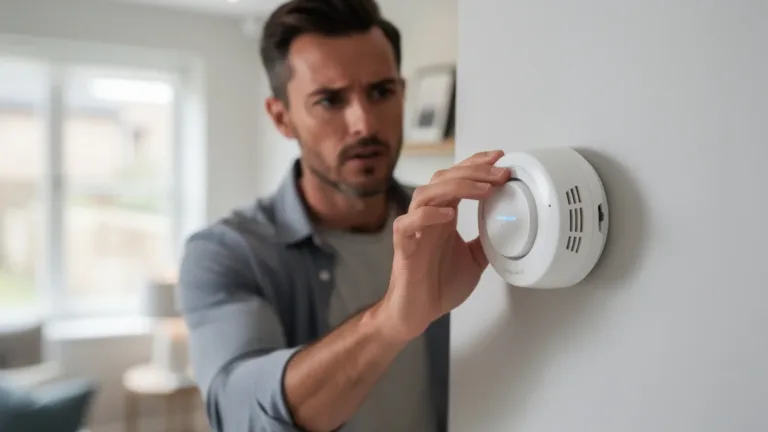
- 🌡️ Uneven Temperatures: One room feels like a sauna while another feels like a fridge.
- 🔊 Whistling Vents: If your vents are making noise, that’s a red flag for restricted airflow.
- 🚪 Doors that Slam: Pressure imbalances can lead to doors slamming shut or struggling to stay open.
- 🏠 Weak Air from Registers: Minimal airflow is a clear indicator that something is up.
- 💸 High Energy Bills: If you’re spending more despite moderate thermostat settings, airflow may be the issue.
Addressing these symptoms is key to maintaining both your comfort and energy efficiency. Ignoring them might not only leave you feeling uncomfortable but could also lead to costly repairs in the long run.
Proven Ways to Improve Airflow
Now, let’s dive into practical strategies that can make a world of difference:
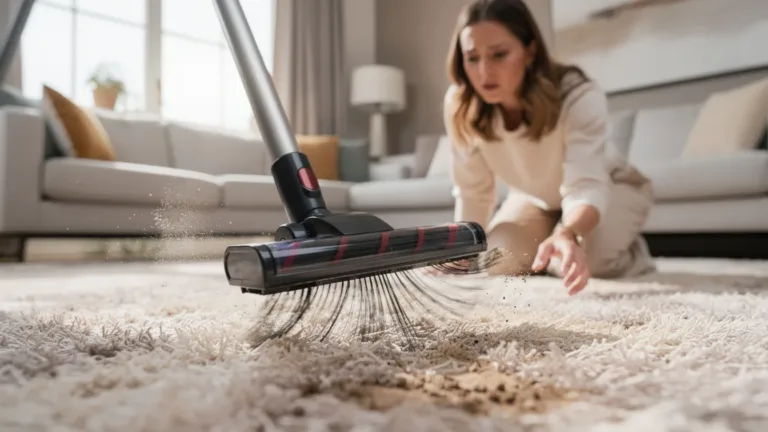
- 🧹 Unblock and Clean Vents: Ensure furniture isn’t obstructing airflow and vacuum vents regularly.
- 🧼 Replace Dirty Filters: Filters should be checked monthly; clogged filters drastically reduce airflow.
- 🛠️ Seal Leaky Ductwork: Up to 30% of conditioned air can escape through leaks—an easy fix!
- 💨 Install Fans: Consider adding booster fans to distribute air evenly throughout your space.
- 🔄 Periodic Dampers Adjustment: Adjust dampers seasonally for better temperature control.
These adjustments don’t require a PhD in HVAC; rather, they call for some attention to detail and a willingness to put in a little elbow grease. Trust me, these changes can transform the feel of your home.
When to Call a Professional
While many fixes are manageable on your own, there are circumstances when you need to bring in the pros. If you’re still wrestling with high energy bills or uneven temperatures despite your best effort, it might be time for professional help. Areas to consider include:
- 👷 Persistent Hot or Cold Spots: If issues remain despite your fixes, call an expert.
- 💸 Unexplained High Energy Costs: Professionals can diagnose and address inefficiencies.
- 🔍 Visible Duct Damage: Any visible damage to ductwork may require specialized attention.
These professionals can perform comprehensive assessments to unveil hidden factors that might be limiting your system’s efficiency. Don’t hesitate to reach out if you think you’re battling a bigger issue.
Final Thoughts on Airflow and Comfort
Enhancing airflow in your home is more than a wintertime fix; it’s about creating a healthier, more energy-efficient living space. Addressing issues promptly not only assures you’re comfortable year-round but also maximizes your home’s potential.
So, why not take the first step today? Clear those vents, check your air filters, and pay attention to your energy consumption. Remember: a little effort can lead to big changes. Stay tuned for more insights and strategies to ensure your home remains a sanctuary of comfort through every season!