
Picture this: you’re cooking up a storm in the kitchen, yet somehow, despite your best efforts, the drain starts to gurgle ominously. Frustration bubbles up like the soapy water in your sink. Why does this happen, even when you’re meticulous about what goes down your pipes? We’ve all been there, feeling a bit helpless about our plumbing systems. Let’s dive deep into the world of clogged drains and uncover why it seems we’re fighting a losing battle.
Highlights
- Common Causes: Hair buildup, grease solidification, and foreign objects can all contribute to drain clogs.
- Symptoms: Slow drainage, gurgling sounds, and foul odors are telltale signs of a blockage.
- DIY Solutions: Strategies like using hot water, baking soda, and vinegar can clear minor clogs.
- When to Call a Pro: Recurring issues may indicate bigger plumbing problems.
- Prevention Tips: Regular maintenance can keep your drains flowing smoothly.
Did you know that approximately 80% of all plumbing issues arise from drain clogs? Keeping your pipes clear is not just important for convenience; it’s essential for your plumbing’s health!
Understanding the Common Causes of Drain Clogs
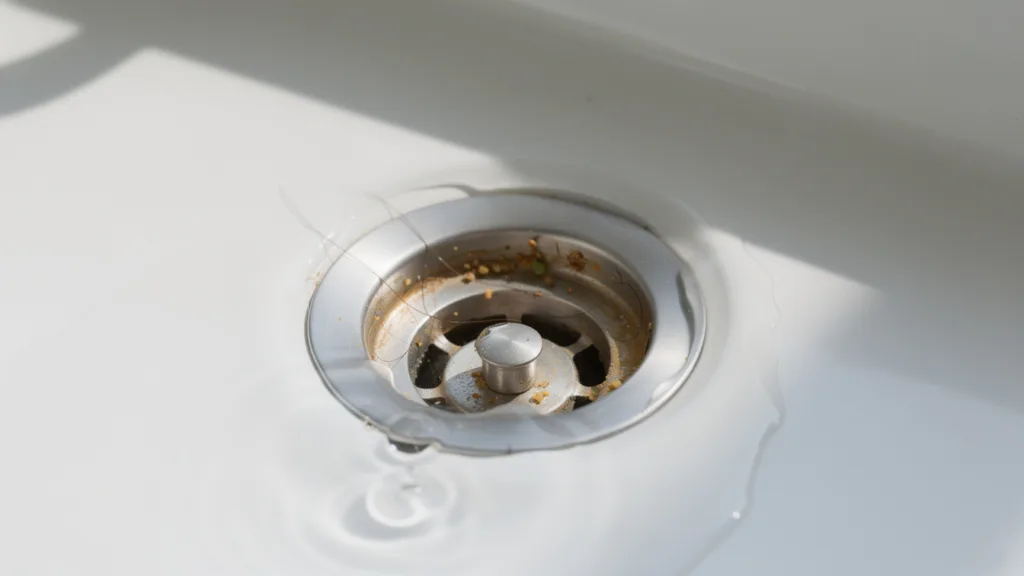
It’s essential to recognize that a variety of factors can lead to drain clogging. Predominantly, hair buildup is a notorious offender, especially in bathrooms. Each strand may seem harmless, but realize that these strands snag on other debris and create a mesh that gradually narrows the drain. Over time, just a few strands can combine with soap scum to form a dense blockage that can choke the water flow completely.
Then we have grease. Oh, the slippery villain! It’s easy to pour leftover cooking oil or grease down the drain, thinking it will just wash away. Yet, once it cools, it solidifies and clings to the pipe walls. This process is known as grease solidification, and it quickly leads to significant blockages, particularly in kitchen sinks where food scraps might mingle with the grease.
Let’s not forget about the audacious foreign objects. Toys, dental floss, or even “flushable” wipes—despite claims they break down easily—often lead to unforeseen troubles. When these items don’t evaporate, they can become lodged, leading to serious disruptions in your plumbing system.
Recognizing the Symptoms of a Clogged Drain
Often, early detection can make all the difference in managing drain issues before they escalate into nightmares. Slow drainage is frequently the first warning sign. If it feels like the water is playing a game of patience, you may have a partial blockage on your hands. Not just inconvenient, it’s a call to action!
Gurgling sounds are your drain’s way of voicing its distress. When you hear that bubbling and clanking, it typically indicates that water is struggling to flow due to trapped air, created by a blockage. Furthermore, foul odors emanating from the drain can signal another potential issue. Those unpleasant smells stem from trapped organic material decomposing, and boy, it’s a wake-up call you don’t want to ignore!
If you notice water backing up into other drains while using one sink or toilet, this can indicate a larger clog deeper in your system. Ignoring these signs often leads to more severe drain issues that require professional plumbing assistance.
DIY Solutions for Clogged Drains
Before you dial your plumber’s number, there are several DIY methods worth trying. The simplest solution? Pour hot (but not boiling) water down the drain. This can help dissolve grease and soap scum before they become an even bigger issue.
Another go-to tool is the good old plunger. Ensure there’s enough water in the basin to create an optimal seal, and use firm, rapid movements to dislodge the blockage. It’s a classic technique for a good reason.
If you’re venturing into the world of natural remedies, consider the dynamic duo of baking soda and vinegar. Pour a cup of baking soda followed by a cup of vinegar, let it fizz for about 30 minutes, and then flush with hot water. This may dislodge stubborn debris accumulation and freshen things up.
For the more stubborn clogs, a drain snake can become your best friend. Insert it into the drain and twist as you push it further down the pipe; the goal is to catch and remove the debris blocking the flow. Just remember to be cautious not to damage your pipes in the process!
When It’s Time to Call a Professional Plumber
Not every battle with a clogged drain can be won alone. If you’ve tried at-home methods without success or if you start noticing recurring clogs, this could indicate a more serious issue beyond your immediate control. If multiple drains are affected, it’s often an indicator of problems within the main sewer line.
Professional plumbers possess the necessary expertise and tools to diagnose issues that aren’t visible, such as using video camera inspections. This technology allows them to identify the exact location and cause of clogs, ensuring that they can address the issue effectively. They can also perform hydro-jetting, which is a powerful method for thoroughly cleaning pipes.
Have concerns about older pipes prone to corrosion or damage? A professional plumber can assess the situation and offer solutions, including repiping if required. Investing in professional help could save you from costly repairs down the line, while simultaneously ensuring your plumbing remains in top-notch condition.
Preventing Clogged Drains for the Long Haul
Lastly, let’s talk prevention strategies. It’s said that an ounce of prevention is worth a pound of cure, and this rings true with drains. Start with basic habits: do not pour grease down the sink—dispose of it properly. Consider using a strainer in your kitchen sinks to catch food particles before they can slip away.
In the bathroom, hair traps can work wonders. They catch the ever-persistent hairs that would happily contribute to drain clogs. In addition, it’s vital to avoid flushing anything other than toilet paper. This simple diligence can drastically reduce the risk of clogs and maintain a smooth draining system.
Schedule annual plumbing maintenance checks as well. A little inspection can ensure there are no underlying problems brewing that could lead to headaches later. Be proactive and address minor buildups before they spiral out of control!
In the realm of plumbing, being informed is your best defense. As you navigate through maintaining your home, keep your plumbing system in check to prevent disruptive drain clogs. With a little diligence, it’s possible to keep those pipes flowing smoothly and avoid the headaches that come with clogs!