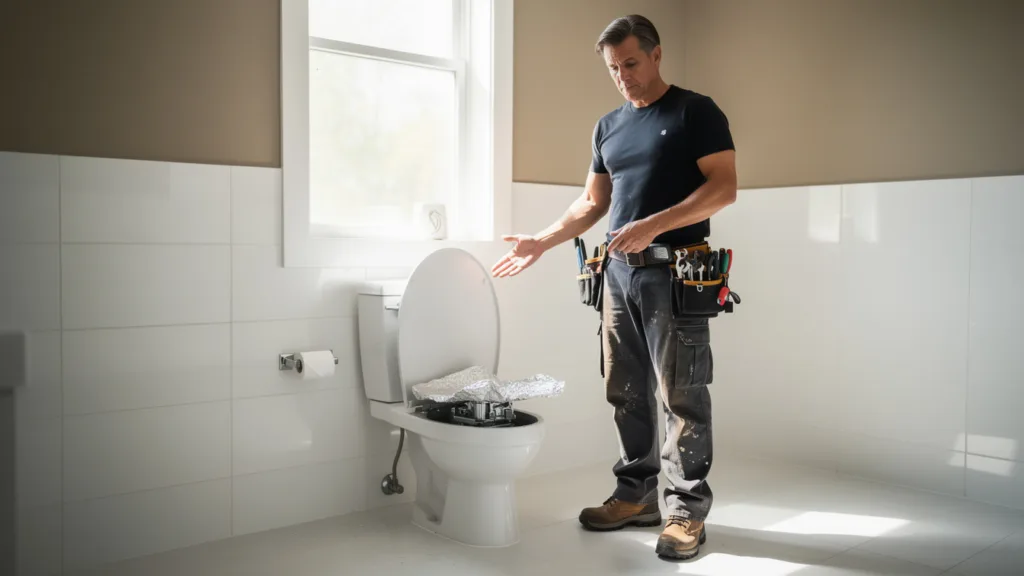

As I dive into the fascinating world of household hacks, it’s hard to ignore the whirlwind of tips that promise to simplify our lives—some more outlandish than others. One that pops up frequently is the peculiar advice to stuff aluminum foil into your toilet tank. Seriously? Let’s unpack this myth and see why it doesn’t quite hold water.
Highlights
- Plumbing Myths: Aluminum foil doesn’t prevent rust or mineral buildup.
- Water Conservation: The foil ball’s “savings” are negligible at best.
- Potential Risks: Using foil can lead to costly plumbing issues.
- Safe Alternatives: Proven methods for toilet maintenance exist!
Have you ever stumbled upon a viral plumbing tip on social media? One minute you’re scrolling through your feed, the next you’re contemplating crumpling a shiny ball of aluminum and tossing it into your toilet tank. The idea seems harmless enough; after all, who wouldn’t want to save a few bucks on their water bill or eliminate pesky mineral stains? But hold on—let’s sift through the theory before diving right in.
The Claimed Purpose of Placing Foil in the Tank
Advocates of this hack often assert it works as a magical barrier against rust stains caused by oxidized iron in water. Many believe that aluminum acts like a sacrificial anode, protecting other metals from corrosion. However, let’s put on our analytical hats—this claim flops due to fundamental chemistry principles as the foil simply cannot neutralize the mineral issues most households face.
Some even tout the foil’s ability to displace enough water to reduce flush volume—if only that were true! Aluminum is lightweight and occupies a significantly small volume in comparison to the water tank, making this idea more of a wishful thought than a feasible plan.
- ✅ Rust Prevention: Not effective. Aluminum foil doesn’t sufficiently combat mineral deposits.
- ✅ Water Conservation: The supposed reduction in tank volume is negligible.
- ✅ Bacterial Control: The jury’s out—no evidence supports this claim.
Evaluating the Chemistry and Efficacy
Now, diving deeper into the science: the prevalent issue in most toilets revolves around limescale from hard water, not rust that can be defended against by foil. If we’re ever tempted to picture those little aluminum balls battling scale like tiny warriors, we should remember that their real impact is closer to zero.
The notion of a sacrificial anode is historically tied to electric currents in environments like saltwater—not in your ceramic tank. Therefore, while the romantic image of aluminum foil swooping in like a hero sounds appealing, it simply doesn’t resonate with plumbing reality.
- 🚫 Chemical Reaction: Placing foil can trigger unwanted chemical reactions with certain cleaners, potentially creating hazardous situations.
- 🔍 Improper Conditions: Standard tap water lacks the electrolytic properties needed for aluminum to function effectively as an anode.
Potential Damage and Effective Tank Maintenance
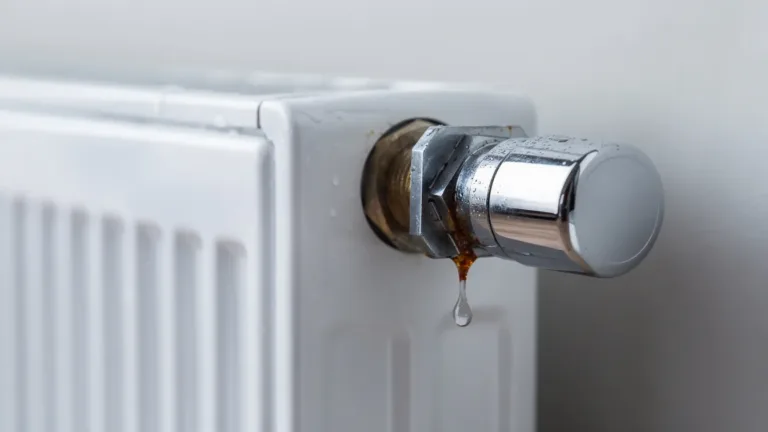
Add to this the mechanical risks: introducing foil into your toilet tank can lead to clogs as bits break down and get washed into the inner workings of the flush valve. Picture rounding the corner for a peaceful night’s sleep, only to hear the unmistakable sound of a water leak—trust me, it’s a headache you’d prefer to avoid.
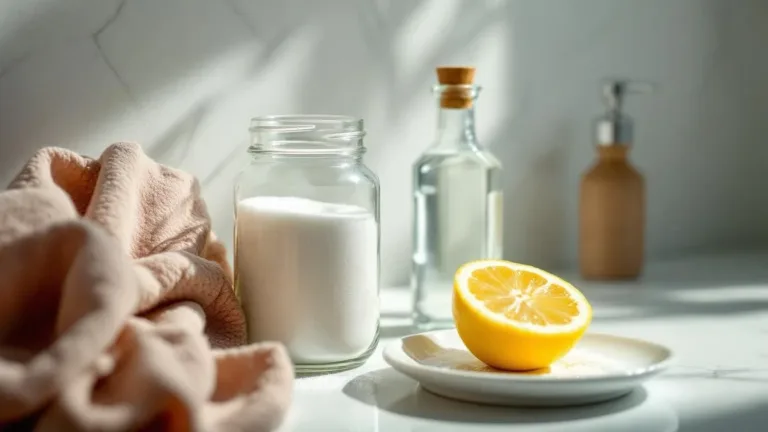
Not to mention, using foil could very well void the warranty on your toilet. Wouldn’t it be more sensible to stick to methods already proven to enhance functionality? Picture instead this: dropping a cup of white vinegar into your toilet tank once a month to combat mineral buildup. It’s a tried-and-true method that won’t put your plumbing at risk.
- 💧 Vinegar Treatment: Regular vinegar applications can dissolve pesky deposits.
- 🔧 Legitimate DIY Fixes: Adjust the float level or use specialized water-saving bags instead.
- ➕ Plumbing Hacks: Learn effective methods that won’t lead to unexpected expenses.
Smart and Safe Alternatives for Toilet Maintenance
The takeaway is clear: as enticing as aluminum foil in the toilet tank might seem, resorting to baseless hacks only complicates our lives further. A well-maintained toilet is essential—not just for water conservation, but for preserving the plumbing infrastructure at home. Instead of caving to viral trends, let’s embrace strategies that are both safe and effective.
Consider investing a little time in simple tasks accomplished regularly. Adopting a routine of using vinegar or mineral dissolvers, along with frequent checks for leaks, can keep your toilet running smoothly. With these tried-and-true methods, the need for aluminum-enhanced hacks becomes a distant memory.
Let’s prioritize our homes with genuine, practical solutions. In this age of fast fixes and DIY plumbing, the “quick” should never replace the “right.” So next time you’re tempted by viral tips promising effortless brilliance, remember the old adage: if it sounds too good to be true, it probably is.