
As I sit here sipping on my afternoon coffee, the chill of January lingers, prompting thoughts about the shifting tides of wealth and property. There’s a startling phenomenon spreading quietly beneath the surface of our local economies: the waste produced by the super-rich isn’t just clutter; it’s being repurposed and “gifted” to local properties. This isn’t merely a trend; it’s a *billionaire’s secret* that has profound implications for wealth distribution, property investment, and our neighborhoods. Stick with me as we dive deep into the high-net-worth world of economic impact and explore what this means for us.
Highlights
- Understanding the notion of *waste* from high-net-worth individuals.
- Exploring how this *gifted* waste impacts local properties.
- Highlighting the *economic impact* of effectively managing this surplus.
- Practical tips on how communities can leverage these resources.
What Exactly is High-Net-Worth Waste?
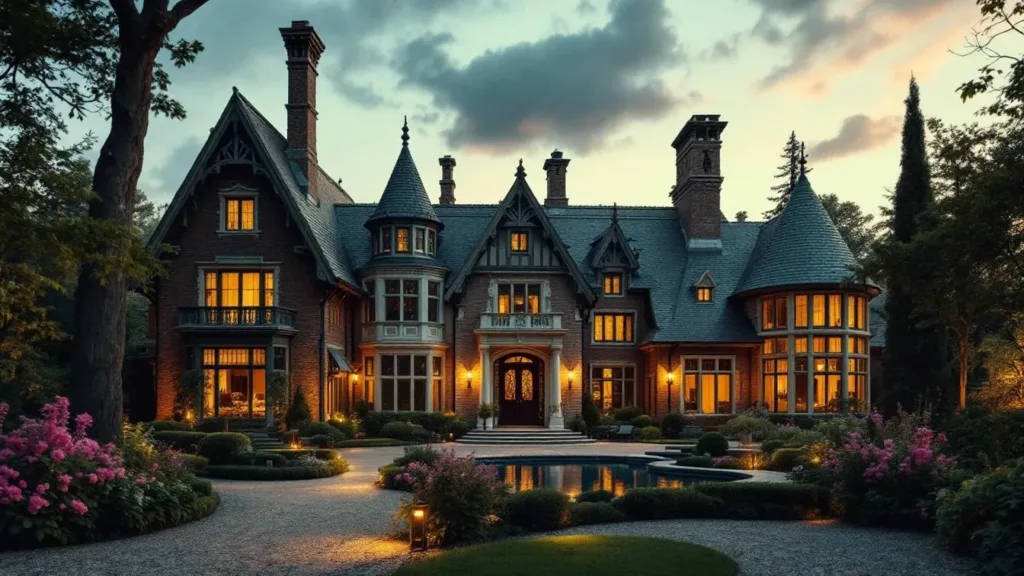
When I first stumbled upon this concept, the term “waste” conjured images of overflowing trash bins or unwanted items. But when we’re dealing with billionaires, surplus takes on a whole new dimension. We’re talking about luxury items—think designer furniture, extravagant decor, and high-end appliances that often end up in the trash or left behind during property sales.
Consider my friend Tom, who lives in a ritzy neighborhood filled with mansions. He recently helped a high-profile client move out of their sprawling estate. The client, in a moment of philanthropic whim, asked, “What do we do with all this stuff?” Instead of the items hitting the landfill, they found their way to local charities and community centers. This is the good side of waste—the unintentional *gifting* of excess wealth. It raises questions: How often are billionaires throwing away resources that could uplift our local environments?
Economic Impact: A Double-Edged Sword
Diving deeper into the numbers reveals that when billionaires discard their surplus, it often influences local economies positively. A study by the Harvard Business Review stated that the circulation of high-net-worth waste could significantly boost community markets. When furniture or appliances from wealthy households filter down to average citizens, it not only reduces waste but bolsters local property values.
So, why does this happen? One important reason is asset management strategies. Wealthy individuals often desire to declutter their lives, whether it’s to simplify their holdings or to transition to a more minimalist lifestyle. Many end up donating or selling valuable items at reduced prices, benefiting local businesses and residents alike.
- Encouragement of local entrepreneurship: Businesses can thrive on selling these high-quality second-hand goods.
- Community identity: As these items circulate, neighborhoods gain unique character and value.
- Environmental sustainability: Reducing waste aligns with eco-friendly goals.
The Charm of Local Properties: A Transition in Mindset
The influx of luxury items into local properties is a fascinating cycle of wealth redistribution. Here in the United States, investing in real estate is often centered around flashy new constructions or upscale neighborhoods. However, there’s an emerging appreciation for homes infused with character—often born from these *gifts* of high-net-worth waste. Homebuyers today seek authenticity, and that can come from a beautiful vintage chair that once graced a billionaire’s living room.
This trend isn’t just about aesthetics; it’s also about transforming our housing market. When affluent individuals donate high-quality items, it enables communities to furnish homes more richly without breaking the bank. I’ve seen this firsthand; my neighbor just furnished his entire living room with donated pieces from a recent estate sale. It not only looks stunning, but it also tells a story.
How to Leverage this Surplus
There’s no denying the potential of high-net-worth waste, but how can local communities and individuals capitalize on this phenomenon?
- Start a community swap event: Organize local gatherings where people can exchange items instead of tossing them out. ♻️
- Engage local businesses: Encourage stores to partner with charities to sell donated luxury items at competitive prices. 🏬
- Awareness campaigns: Teach communities about the importance of reusing and recycling high-quality goods. 🌱
Wrapping Up This Billionaire Secret
The soaring concept of *high-net-worth waste* being *gifted* to local properties opens up a conversation about wealth, sustainability, and community empowerment. While it may seem trivial, this system enables a rich tapestry of shared economy models that benefit us all. As we move deeper into 2026, let’s be conscious of how we view wealth and waste—perhaps it’s time we embraced the idea that what’s discarded by one can bloom in the garden of another.
As I ponder the shimmering new year ahead, I encourage you to keep an eye on your local environment. You never know when a *billionaire’s secret* might enrich your life and community. Dive into this trend, and let’s shape a future that’s not just about accumulation but about shared wealth.