
In January, as the winter chill lingers in the air, I’m reminded of the little treasures hiding in my kitchen scraps. Did you know that those seemingly useless harvest leftovers can be transformed into powerful allies in your garden? I’m talking about composting kitchen waste and finding sustainable solutions that not only save money but also promote soil health and nourish our plants. Let’s dive into how these everyday items outperform even the priciest fertilizers.
Highlights
- 🌿 Transform kitchen scraps into rich organic fertilizers.
- 🌼 Enhance soil health and support plant growth.
- 💸 Discover cost-effective alternatives to chemical fertilizers.
- ♻️ Promote sustainable gardening practices.
Did you know that composting can improve your garden’s overall health and reduce waste? It’s like giving your plants a buffet of natural nutrients! 🌱
Discovering the Power of Harvest Leftovers
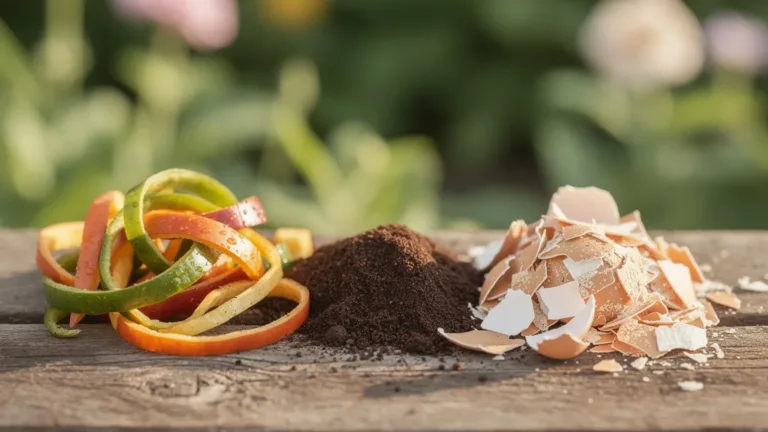
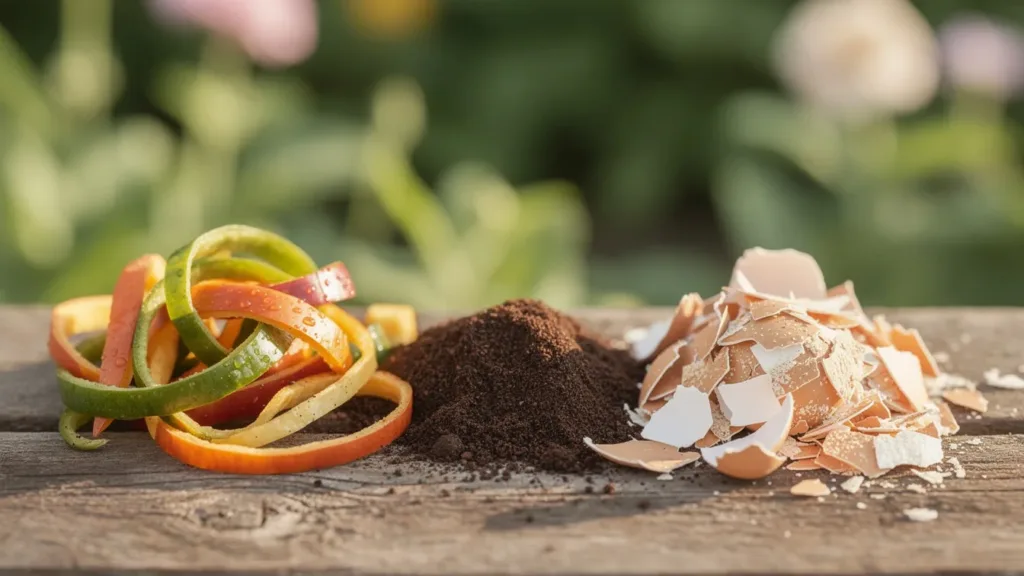
When I first stumbled upon the idea of using harvest leftovers, I was skeptical. I mean, how could banana peels and old coffee grounds stand up against the magic bag of fertilizer I bought from the garden centre? But after a bit of research and personal trial and error, I learned that these scraps pack a nutritional punch. Waste not, want not, right?
For instance, who would have thought that banana peels are more than just rubbish? They’re naturally rich in potassium and magnesium, crucial for flowering and root development. And what about the humble coffee grounds? They not only aerate the soil but also provide a significant boost of nitrogen, making them particularly beneficial for acid-loving plants like blueberries and roses.
The Financial Sense of Composting
Let’s talk dollars and sense. As inflation rises, many of us are becoming increasingly conscious of our spending habits. Investing in bagged fertilizers can be a constant drain on the wallet. In contrast, setting up a simple compost system at home is a one-time expense that continues to yield rich, organic fertilizer for years. It’s like an evergreen source of plant food—no more frequent trips to the garden store!
Here’s a quick breakdown of the cost-effectiveness:
- 🥕 Initial Setup: Invest in a compost bin (about £30 or DIY it with scrap materials).
- 💰 Ongoing Costs: Minimal, mainly kitchen scraps and yard waste.
- 🌱 Yield: Continuous supply of organic fertilizer, reducing need for commercial options.
Before I started composting, I would often find myself spending quite a bit on fertilizers each season. Now, I smile at the thought of turning the scraps I once tossed away into nutrient gold for my garden.
Steps to Get Started With Composting
Ready to dive in? Here’s a simple roadmap to kickstart your composting journey:
- 🗑️ Choose a Composter: You can buy one or create your own. There are plenty of DIY tutorials online.
- 🍃 Gather Materials: Collect kitchen scraps (think fruit and vegetable peels) and yard waste. Keep a good balance between greens (like food scraps) and browns (like dried leaves).
- 🌾 Maintain the Mix: Make sure to keep your compost moist and aerated; it speeds up the decomposition process.
- 🔍 Monitor Progress: Keep an eye on temperature and moisture levels for optimal breakdown.
- 🌻 Use the Finished Compost: Once it’s ready, spread that nutrient-rich compost in your garden, and watch your plants thrive!
It may seem daunting at first, but trust me, the rewards are more than worth it. There’s nothing quite like the feeling of enriching your own soil with something you’ve created from leftovers.
Embracing Sustainable Gardening Practices
As I continue my gardening journey, I’ve found that embracing sustainable practices has not only improved my garden’s health but also contributed to a greater sense of responsibility towards our planet. By using harvest leftovers, I’m participating in a larger movement aimed at reducing food waste and promoting a vibrant ecosystem.
Gardening can indeed be a profound act of respect for the earth. Investing time and energy into composting is a small but significant way we can all reduce our impact and foster a healthier environment. It’s super rewarding to know that every meal I prepare indirectly helps nourish my garden.
Let’s Get Growing!
Now that you know how much potential lurks in your kitchen scraps, it’s time to take action! Start composting, and join the ranks of gardeners who are embracing eco-friendly alternatives to chemical fertilizers. Share your experiences and discoveries with friends or on social media, and inspire others to ditch the store-bought options!
If you have tips or ideas on getting the most out of your harvest leftovers, let’s chat in the comments! The world of gardening is vast, and together, we can make a more sustainable impact while enjoying the beauty and bounty of our own backyards.