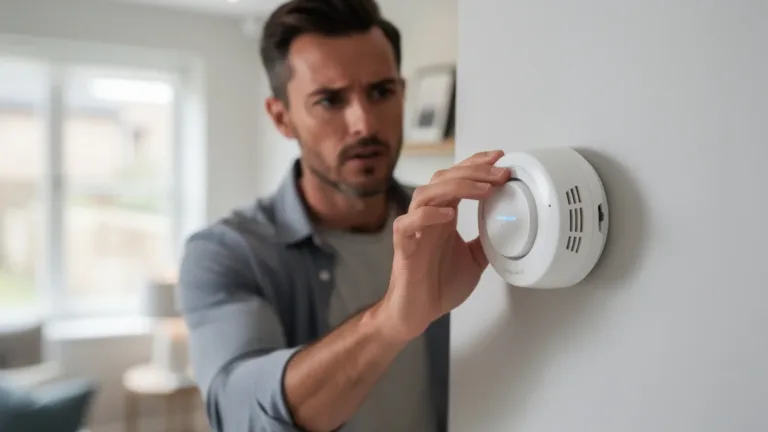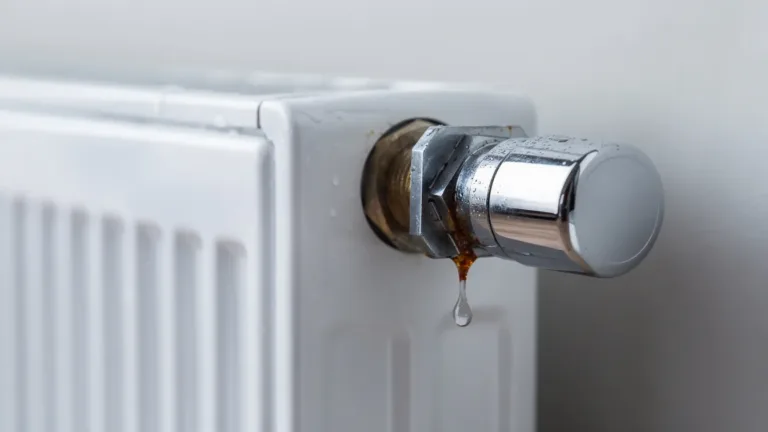
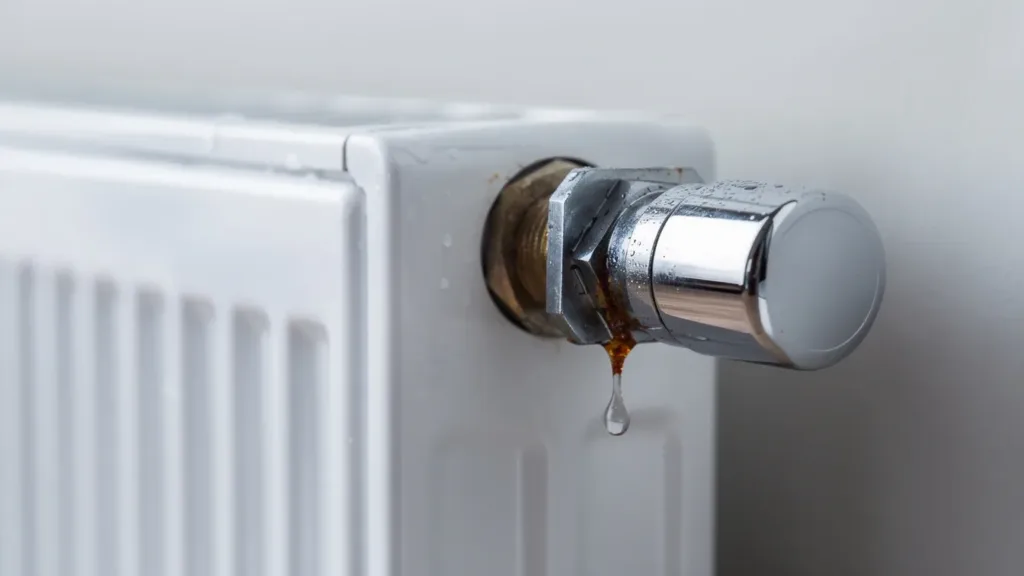

It’s the end of January 2026, and you’ve been waddling around your home in thick socks and an oversized jumper, convinced you’re saving money by not cranking up the heating. But here’s the straight talk: neglecting your radiators could burn a hole in your pocket much bigger than that fancy sweatshirt you bought during the January sales. If you’re hearing gurgles from your radiators or feeling chilly spots, you might want to grab that radiator bleeding key and do some essential maintenance before a hefty £500 repair bill slaps you in the face. 🌬️💸
Highlights
- 👷♂️ Regularly bleeding radiators saves energy and lowers heating costs.
- 💧 A quick clean can prevent the sludge that leads to heating system failure.
- 🛠️ Proper radiator maintenance is easier than you think!
- 💡 Neglect could result in costly repair bills, sometimes up to £500!
Did you know? Keeping your radiators in check can save you as much as £1,000 a year on energy bills! 💰
My Personal Experiences with Radiator Blues
I remember when I first moved into my home. The joy of decorating was quickly soured by an uncomfortably cold sitting room. The radiators were blasted warm at the top but frigid at the bottom—classic signs of trapped air. My DIY skills were limited, and I thought a fancy heater would fix everything. Spoiler alert: it didn’t. I ended up calling in a pro only to discover I had been looking at a possible £500 repair bill! If only I had bled those radiators sooner… 😓
In my quest for affordable warmth—while keeping my bills down—I learnt about the importance of regular radiator maintenance. When I finally cracked and bled my radiators, I realized how easy it was. Just ten minutes of my time transformed my home into a snug retreat.
Understanding the Importance of Radiator Efficiency
The mechanics behind how radiators work can be baffling. Hot water circulates through them, heating the air in your room via convection. When air gets trapped in the radiator, it prevents hot water from flowing effectively. As a result, you’re heating your home less efficiently and wasting precious money. Here’s a quick breakdown of what can happen:
- 💔 Hot water is unable to reach the radiator fully.
- 🔥 Your boiler has to work harder, leading to potential breakdowns.
- 💷 You may waste hundreds on unnecessary heating costs.
Ignoring these issues could mean costly heating system repairs, which can range anywhere from £100 to £500 depending on what the technician finds. Regular bleeding can save you both money and the hassle of last-minute emergency calls.
How to Properly Bleed Your Radiators
So, how do you avoid a costly mishap? It’s surprisingly straightforward. Begin by ensuring your heating system is turned off and the radiators have cooled down. Next, gather your supplies: radiator bleeding key, cloth or disposable towels, and possibly a small bucket or tray. Here’s my go-to method:
- 🛑 Turn off your central heating.
- 🧻 Place towels or a bucket beneath the radiator to catch any drips.
- 🔑 Insert the bleeding key into the valve and turn it counterclockwise until you hear a hissing sound.
- 💦 Once water flows out steadily, close the valve quickly.
Simple, right? Once you’ve bled your radiator, enjoy the warmth wafting through your home. But remember, this isn’t a one-off job! You should repeat this process annually to keep everything running smoothly.
The Right Order for Bleeding Radiators
Now, here’s an insider tip: the order in which you bleed your radiators really matters. I, like many others, used to think you should tackle the coldest radiators first. However, experts recommend starting with the radiator furthest from the boiler. This method not only helps to push air out logically, but it ensures you don’t shuffle trapped air around your system. The successful route looks something like this:
- ➡️ Start with the radiator on the ground floor furthest from the boiler.
- ➡️ Move sequentially closer to the boiler and then head upstairs.
By ensuring you follow this order, you’ll reduce cold spots and bolster your boiler’s efficiency. 🙌
Don’t forget the Follow-up!
Once you’ve focused on radiator maintenance, don’t just sit back and relax; keep an eye on your heating system. If you find yourself needing to bleed radiators more often than annually—especially if it’s the same one—you may have more significant issues like leaks or faulty valves. It’s worth reaching out to a professional for a thorough scan to avoid future headaches and bills! 📞
Your Heating System’s Best Friend: A Call to Action
Now that you know the importance of bleeding radiators, don’t put it off any longer! Grab your tools this weekend and take 10 minutes to check each radiator in your home. Needing help? Call in a professional. Just remember, the longer you wait, the more it could cost you down the line.
I hope this has inspired you to treat your heating system with the TLC it deserves. Check back for more tips as we march through winter! Stay warm, folks! 🔥