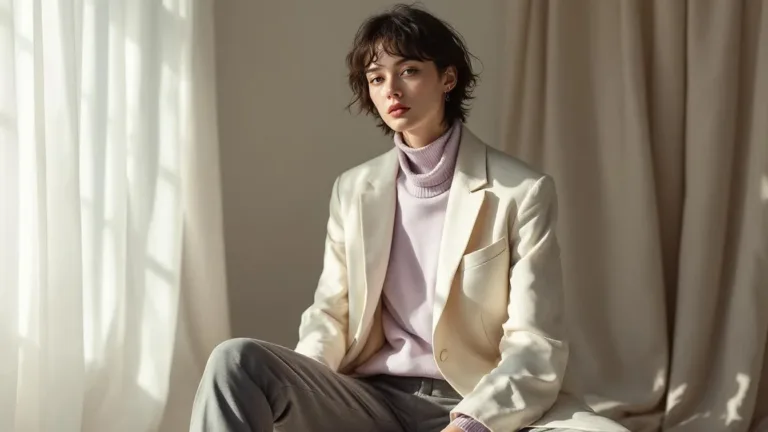
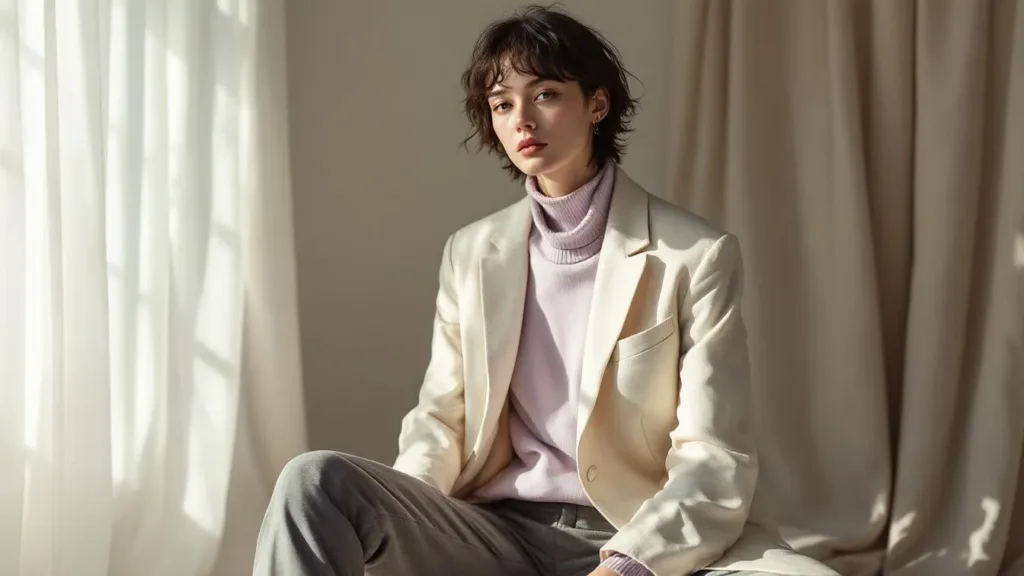

In the depths of winter, when the world outside can feel dark and dreary, you can often spot a visual dichotomy in people’s choices of clothing. Some blend in with muted tones, while others stand out boldly. The colors we choose to wear tell stories—deep, often unconscious narratives driven by psychology. As I navigate between the aisles of clothing racks in January and February, I’m struck by how color choices resonate with our inner selves and insecurities. Why do some people gravitate towards subdued colors, while others embrace bright shades? The answers might surprise you.
Highlights
- Color Psychology plays a crucial role in our fashion choices 🖌️.
- Insecurity often leads to specific selections of clothing colors, with muted tones aimed at blending in 👕.
- Bright colors can signal confidence or a desire for validation 🌈.
- Understanding these patterns can foster greater self-awareness and intention in our fashion choices 🔍.
The Power of Color Psychology 🤔
It’s fascinating how color can impact our emotions and perceptions. In my experience, when I wear bold red, I feel energized and ready to take on the world. On days when I opt for grays or browns, it’s almost as if I’m subconsciously signaling my hesitance to engage. Color psychology suggests that each hue carries weight—it influences both our feelings and how others perceive us.
For instance, studies show that wearing red can evoke feelings of power and passion, while blue can instill calmness and trust. Understanding these associations, we see why someone who feels insecure might lean heavily towards dull colors: they want to lower their visibility, to blend in.
Clothing as a Shield: The Insecure Wardrobe 🛡️
Have you ever walked into a room and instantly felt like a ghost? For many, the daily ritual of getting dressed resembles gearing up for battle. In my own moments of insecurity, I found solace in baggy clothes and muted tones. Oversized sweaters became cozy armor, sheltering me from scrutiny. But why do people like me often gravitate towards these sartorial choices?
Psychological studies point to the tendency of insecure individuals to utilize clothing as a form of camouflage. Here are some common traits:
- Oversized or baggy clothing can make one feel invisible by masking the body 👖.
- Muted colors, like gray or navy, serve as a barrier to avoid standing out, making them feel safer in social settings 🏙️.
- Excessive accessories, such as big hats or sunglasses, allow avoidance of direct eye contact and social interaction 👓.
This self-protective behavior isn’t merely about fashion; it’s a profound reflection of their mental state and how they wish to navigate the world.
Seeking Validation Through Fashion 💔
But let’s flip the script for a moment. Not all insecure individuals choose to hide; some seek validation through their clothing choices. I’ve observed friends who sport oversized logos or bright, attention-grabbing outfits, and it struck me as an interesting contrast. They may wear these flashy pieces as a way to signal status or desirability, craving that external validation.
Consider these behaviors:
- Wearing prominent brand logos can symbolize status, offering individuals a sense of self-worth when they feel inadequate 💼.
- Chasing trends reflects a need to connect, to fit within social norms and avoid feeling ‘out of touch’ in a rapidly changing cultural landscape 🎨.
- Opting for revealing outfits can be a subconscious plea for attention, where the desire for affirmation from others outweighs feelings of insecurity 🌟.
What’s striking is how these choices mirror a struggle—a back-and-forth between wanting to be seen while simultaneously battling personal demons of self-worth.
From Defense to Expression: The Duality of Fashion 🌍
Our clothing often oscillates between being a defensive mechanism and a form of genuine self-expression. In my journey of self-discovery, I’ve learned that embracing my preferences—whether they lean towards soft pastels or vibrant prints—can evoke feelings of confidence rather than anxiety. Enclothed cognition reveals that what we wear affects not only how others perceive us but how we perceive ourselves.
Imagine stepping out in an outfit that truly resonates with your personality. It can uplift your mood and alter your behavior. Dressing sharply for a big meeting? You feel competent and in control 💪. Opting for favorite colors during a casual outing can lift your spirits, showing the world your vibrant essence 🌞.
The Personal Journey: Taking Control of Your Choices 🕊️
Recognizing these patterns has been a game changer for me. Armed with insights about color psychology, I’ve started choosing clothing that reflects a more confident self—a wearable extension of my personality. It’s not about trends; it’s about choosing fabrics and shades that resonate with my identity.
Next time you sift through your wardrobe, ask yourself: What am I trying to communicate? Is it insecurity or self-assuredness? By consciously choosing colors and styles, we reclaim our narratives, allowing fashion to become a true reflection of our vibrant selves.
In the end, what we wear doesn’t just impact how we feel; it shapes our world. So as we navigate these chilly winter months, let’s wear our colors with intention—whether that means brightening the day with bold hues or finding security in softer tones. Whatever the choice may be, remember that this journey is about more than just fabric; it’s about embracing who we truly are.