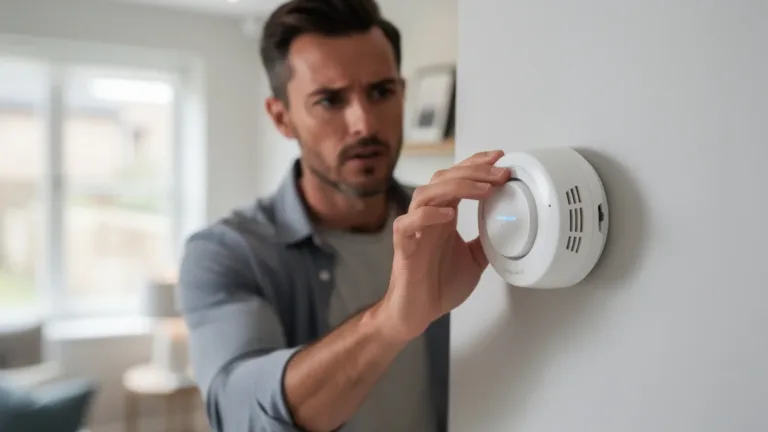


Imagine this: you’re bundled in your favorite blanket, the thermostat is set to a balmy 70°F, and yet you still shiver. It’s frustrating, right? You’re not alone in wondering how can a space feel so cold when the heat is supposed to be working. This winter, as the temperature outside dips, many of us are left questioning why our homes are not the cozy havens they should be. Let’s dive into why you’re still cold at home and what practical steps you can take to fix it.
Highlights
- Thermostat settings don’t account for air leaks and insulation issues ❄️
- Cold spots can occur due to poor ductwork or an inefficient heating system 🚪
- Home temperature can be impacted by humidity control and inadequate insulation 🧥
- Simple fixes can enhance energy efficiency and comfort 💡
Why Your Home Feels Cold Even When the Heat Is On
Let’s tackle the elephant in the room: why, despite optimal thermostat settings, do many of us still feel a chill? The source of this discomfort often lies beyond mere temperature. Air leaks are like hidden bandits of warmth, and they are often culprits in homes across America. Here’s how they operate: warm air naturally seeks to escape through gaps in a building’s structure. Think about it—if it’s 70°F in the hallway but you’re freezing near a drafty window, you might be a victim of air infiltration.
Common areas where warmth slips away include:
- 🔚 Gaps around doors and windows
- 🏠 Attic ceilings and crawl spaces
- ⚡ Electrical outlets and ventilation ducts
This cold air making its way indoors contributes to low humidity levels, leading to uncomfortable dryness. If your skin feels parched, that’s not just winter—it’s the air leaks working against your thermal comfort.
Insulation: The Silent Protector
If you think of your heating system as the heart of your home, then insulation is clearly the protective rib cage. Unfortunately, many homes built before stricter codes came into play suffer from less-than-stellar home insulation. I remember when I moved into my house; the excitement of owning my first place was quickly met with relentless cold drafts. After realizing that my insulation was inadequate, I finally prioritized enhancing it.
Insulation failures often stem from:
- 🛠️ Poor installation—fiberglass batts often don’t fit snugly in the walls or ceilings.
- 💧 Moisture damage in crawl spaces can compromise floor insulation over time.
- 🕒 Outdated codes that allowed insufficient protection in pre-2000 homes.
By increasing the R-value of your insulation—especially in attics and crawl spaces—you’ll prevent heat from escaping, leading to a more consistent and warmer indoor climate.
Understanding Ductwork and Zoning Systems
Now, let’s talk about ductwork. If your home has ducts that are poorly designed or installed, you may experience cold spots that can drive you up the wall. Well, I had one winter where I cranked my heat, but upstairs felt like the North Pole, while the downstairs was a sunbaked desert. Why? Unbalanced ductwork was to blame!
Each element of your HVAC system is interconnected, making it essential to strike a balance. A proper Manual J load calculation will determine how much conditioned air you actually need.
Key points include:
- 🔄 Too many supply ducts that lead to over-performed heating can create hot spots, making the thermoregulation all the more skittish.
- 🌡️ Adding a zoning system can help allocate heating more effectively, ensuring that hotter rooms don’t mug the cold ones!
Humidity Control and Its Impact
Surprisingly, humidity levels can significantly affect your perception of temperature. Dry air saps warmth because it doesn’t retain heat as well as moister environments. Have you ever noticed how chilled you feel in a dry room? It’s not just you! Installing a whole-house humidifier can go a long way in elevating your home’s thermal comfort and overall ambiance.
If your indoor air feels too dry, resulting in cracked skin or static shocks, here are important fixes you might consider:
- 💧 Use a whole-house humidifier to regulate your home’s moisture.
- 🌀 Keep an eye on your humidity levels, aiming for 30-50% for optimal comfort.
- 🌞 Allow sunlight in during the day to retain warmth through natural heating.
Making Your Home Cozy Again
Let’s face it: feeling cold indoors affects our psychology and overall well-being. If your home appointments are costing you comfort, take the time to address the issues of heat loss, air leaks, and subpar insulation. It might require a little time and investment, but the payoff is a home that feels as warm as the thermostat reads.
So what can you do going forward? Here are some actionable steps:
- 🔍 Schedule a home energy audit to identify air leaks and insulation issues.
- 🔒 Seal any drafts to prevent heat from escaping and cold air from invading.
- 🛠️ Consider upgrading your heating system if it’s outdated or inefficient.
- 🙌 Explore zoning options for better thermal distribution throughout your home.
Feeling comfy at home should not be a luxury. By fortifying your home and addressing these nuanced factors, you can transform your living space into a warm retreat this winter. For more tips on enhancing your home’s energy efficiency and warmth, stay tuned for future insights!